

 Inquire(
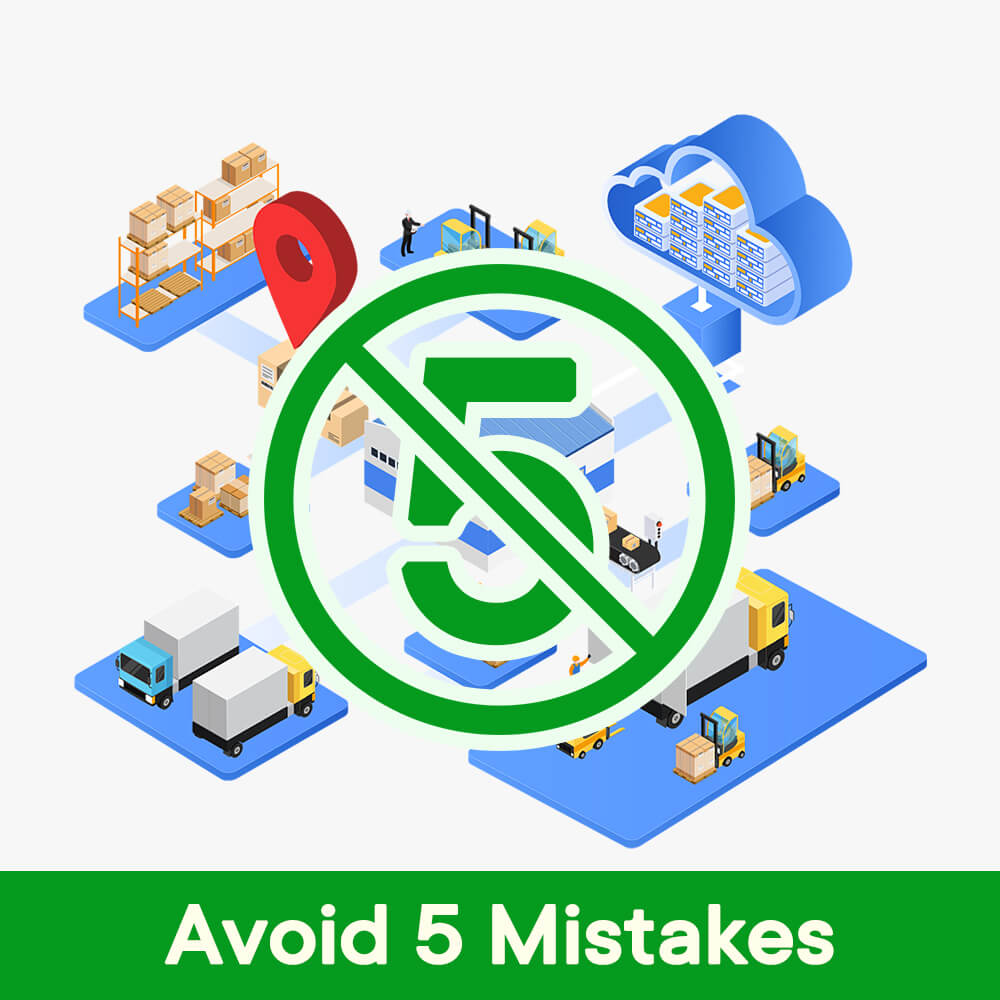
5 Mistakes Brands Make When Sourcing Period Panties
 Feb 26,2026
 lynmiss
The global period underwear market continues to expand as consumers seek reusable, comfortable, and safer alternatives to disposable products. However, while demand is growing, many brands underestimate the complexity behind sourcing high-performance period panties.
For brand owners, procurement managers, and wholesale buyers, the difference between a successful product line and a costly failure often comes down to manufacturing decisions.
Here are five critical mistakes brands make when sourcing period panties — and how to avoid them.
1. Treating Period Panties Like Regular Underwear
One of the most common sourcing mistakes is assuming period panties are simply “underwear with extra padding.”
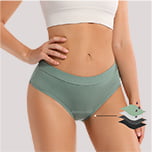
In reality, period underwear is a technical product built around:
-
Multi-layer absorbent construction
-
Liquid distribution control
-
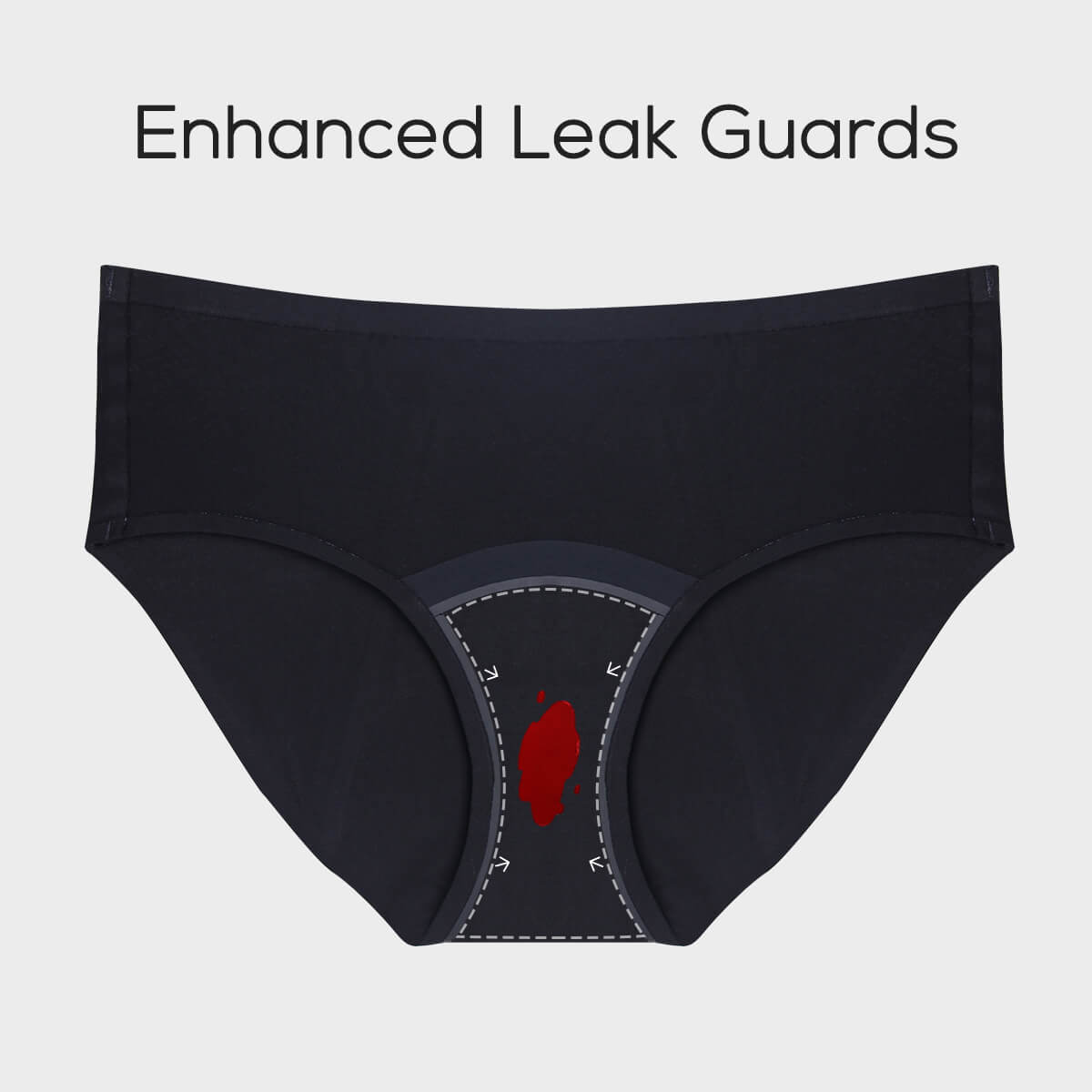
Leak-proof barrier technology
-
Breathability and comfort engineering
Factories that primarily produce basic lingerie often lack the technical expertise required for functional liquid management systems.
When evaluating suppliers, brands should ask:
-
How is absorbency tested?
-
What is the ml capacity per layer?
-
How is leakage prevented at side seams?
Without technical clarity, product returns and reputation damage are likely.
2. Focusing Only on Price Instead of Absorbency Performance
Low-cost sourcing may look attractive initially, but poor absorbency performance leads to:
-
High return rates
-
Negative reviews
-
Loss of brand credibility
Serious manufacturers provide:
-
Defined absorbency levels (light, moderate, heavy flow)
-
Lab testing data
-
Wash durability reports
Wholesale buyers should request structured performance specifications rather than relying solely on sample feel.
In functional underwear, performance consistency is more valuable than short-term cost savings.
3. Ignoring Compliance and Material Safety (Especially PFAS Concerns)
Consumers are increasingly aware of chemical safety in period products. Retailers and distributors are under pressure to ensure material compliance.
Brands that fail to verify:
-
PFAS-free materials
-
OEKO-TEX or equivalent testing
-
Regional chemical compliance standards
risk regulatory problems and long-term brand damage.
Responsible sourcing requires documentation transparency, not verbal assurance.
4. Choosing Factories Without Category Expansion Capability
Many brands start with period panties but later want to expand into:
-
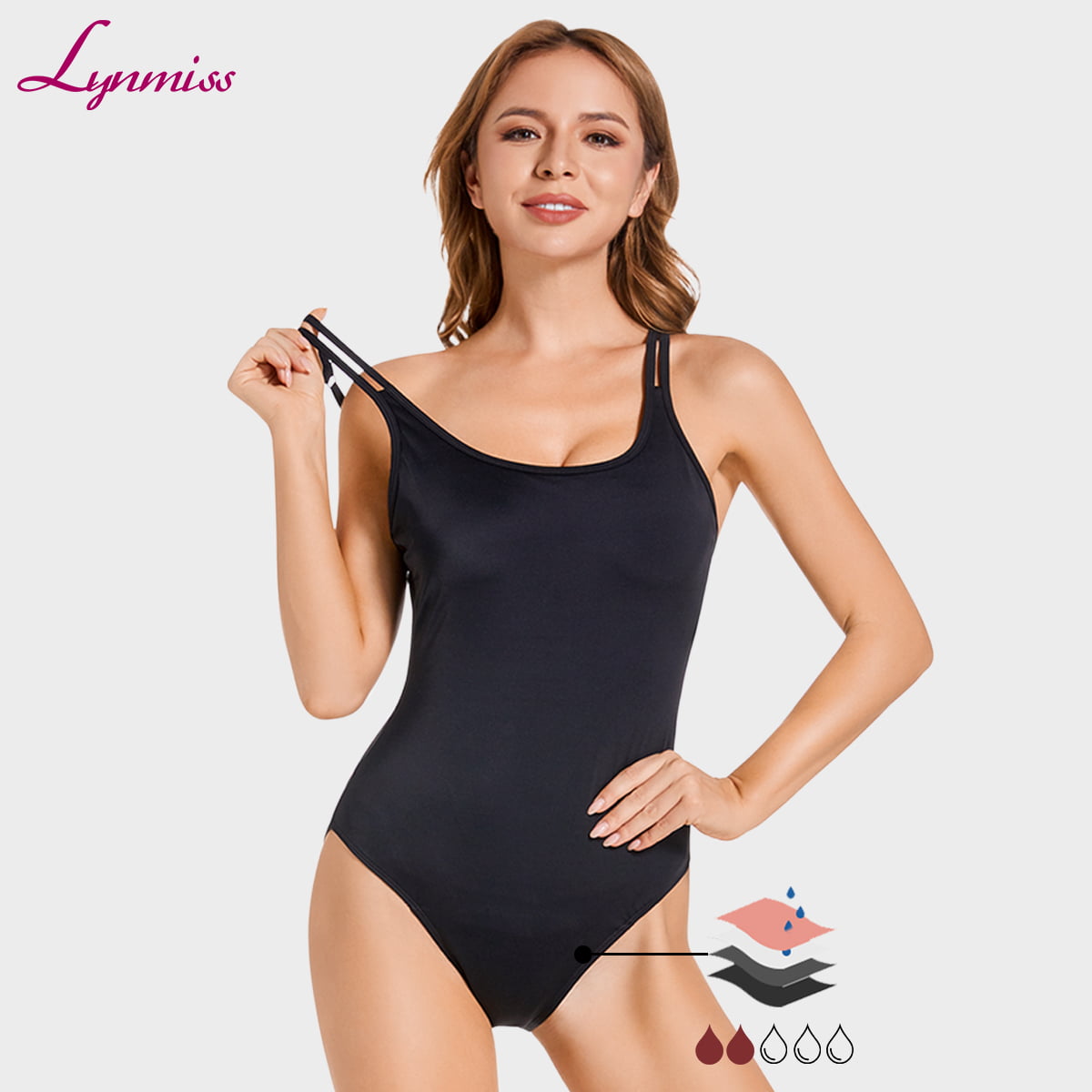
Period swimwear
-
Teen lines
-
Postpartum underwear
-
Incontinence briefs
Switching factories mid-growth increases complexity, delays production, and disrupts sizing consistency.
Forward-thinking buyers choose manufacturing partners capable of supporting multi-category functional underwear development from the beginning.
This reduces long-term operational friction.
5. Overlooking Pattern Engineering and Fit Localization
Absorbency is only half the equation.
Fit determines:
-
Comfort
-
Leakage risk
-
Customer retention
Factories without dedicated pattern development teams often replicate generic sizing templates without regional adjustments.
Brands targeting North America, Europe, or Australia need factories that understand local body shape differences and sizing standards.
A technically strong supplier invests in:
-
Multiple fit rounds
-
Real-wear testing
-
Market-specific adjustments
What Smart Brands Do Differently
Successful brands treat period panties as engineered products, not fashion items.
They prioritize:
-
Technical absorbency construction
-
Verified material safety
-
Category scalability
-
Manufacturing transparency
-
Long-term partnership over lowest price
This sourcing mindset protects margins, brand reputation, and repeat purchase rates.
Final Thought
Period panties sit at the intersection of fashion, hygiene, and performance engineering.
Choosing the right manufacturing partner is not just about production — it is about protecting your brand’s long-term positioning in a competitive, high-trust category.
For brands and wholesale buyers evaluating sourcing strategies, understanding these five mistakes can prevent costly missteps and accelerate sustainable growth.
recommended to you
-
How to Clean and Maintain Menstrual Underwear During Period
April,13,2023 -
How to ensure that menstrual panties are comfortable and fit in size?
April,15,2023 -
Why are menstrual pants a more eco-friendly choice?
April,27,2023 -
The Benefits of Washable Cloth Pads: A Sustainable Choice for Women
September,18,2023 -
The Ultimate Guide to Choosing the Best Period Panties Manufacturer
October,12,2023
How Can We Help you ?