
 Inquire(
How Functional Underwear Became a $1 Billion Market (and Growing)
 Dec 30,2025
 lynmiss
Functional underwear has quietly evolved from a niche innovation into a billion-dollar global market — and it’s still accelerating.
What started as a solution for menstrual care has expanded into a broader category covering bladder leakage, postpartum recovery, active lifestyles, and sustainable daily wear. For investors, brand owners, and cross-border sellers, this shift represents more than a trend — it signals a structural change in how consumers think about underwear.
At LYNMISS, as a functional underwear manufacturer serving global brands, we’ve watched this transformation happen from the factory floor up.

From Disposable Products to Reusable Systems
The earliest growth in functional underwear came from frustration.
Consumers were dissatisfied with disposable pads, liners, and adult diapers — citing discomfort, leakage, skin irritation, recurring costs, and environmental waste. Reusable underwear addressed all of these pain points at once.
This shift mirrors what happened earlier in categories like reusable water bottles or menstrual cups, but with one key difference: underwear is worn for hours, close to the skin, and must perform reliably in real life.
That requirement pushed brands to demand better materials, smarter construction, and verified performance — accelerating innovation at the manufacturing level.
Why the Market Reached the $1 Billion Threshold
The functional underwear market didn’t grow because of marketing alone. It grew because multiple demand drivers aligned at the same time.
First, consumer education increased. Buyers became more informed about absorbency levels, leak-proof layers, and fabric safety. They started asking better questions — and rejecting vague claims.
Second, demographics expanded. What was once positioned mainly for menstruation now includes:
-
Heavy-flow users
-
Postpartum recovery
-
Light to moderate incontinence
-
Travel and active lifestyles
-
Teens and aging populations
Third, sustainability became a purchase trigger. Reusable underwear significantly reduces waste compared to disposables, which aligns with both consumer values and retailer ESG goals.
Together, these factors pushed functional underwear from “alternative product” to “core category”.
What Investors Are Watching Closely
From an investment perspective, functional underwear stands out for three reasons.
The first is repeat purchase behavior. Once a consumer trusts a product’s performance, they tend to repurchase and recommend — driving strong lifetime value.
The second is brand defensibility. Performance-based products rely on engineering, not just branding. This creates higher barriers to entry compared to fashion underwear.
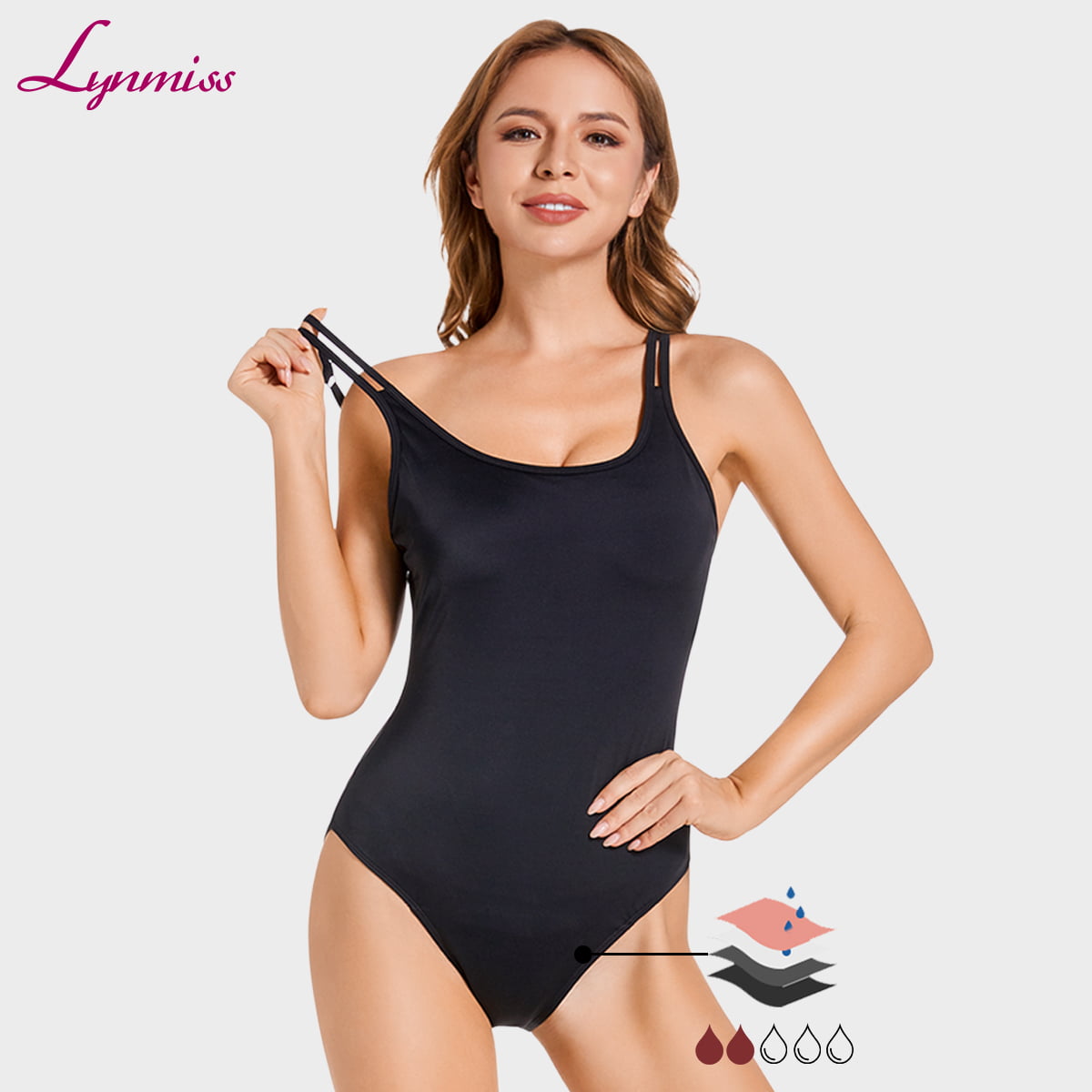
The third is category expansion. Successful brands rarely stop at one SKU. Period underwear often leads to incontinence underwear, period swimwear, postpartum briefs, and active leak-proof designs — all built on the same technical foundation.
This makes the category especially attractive for long-term portfolio growth.
Why B2B Buyers Are Moving Faster Now
Retailers, distributors, and private-label brands are accelerating sourcing decisions because consumer expectations have shifted.
Today’s buyers don’t just want “period underwear”. They want:
-
Verified absorbency ranges
-
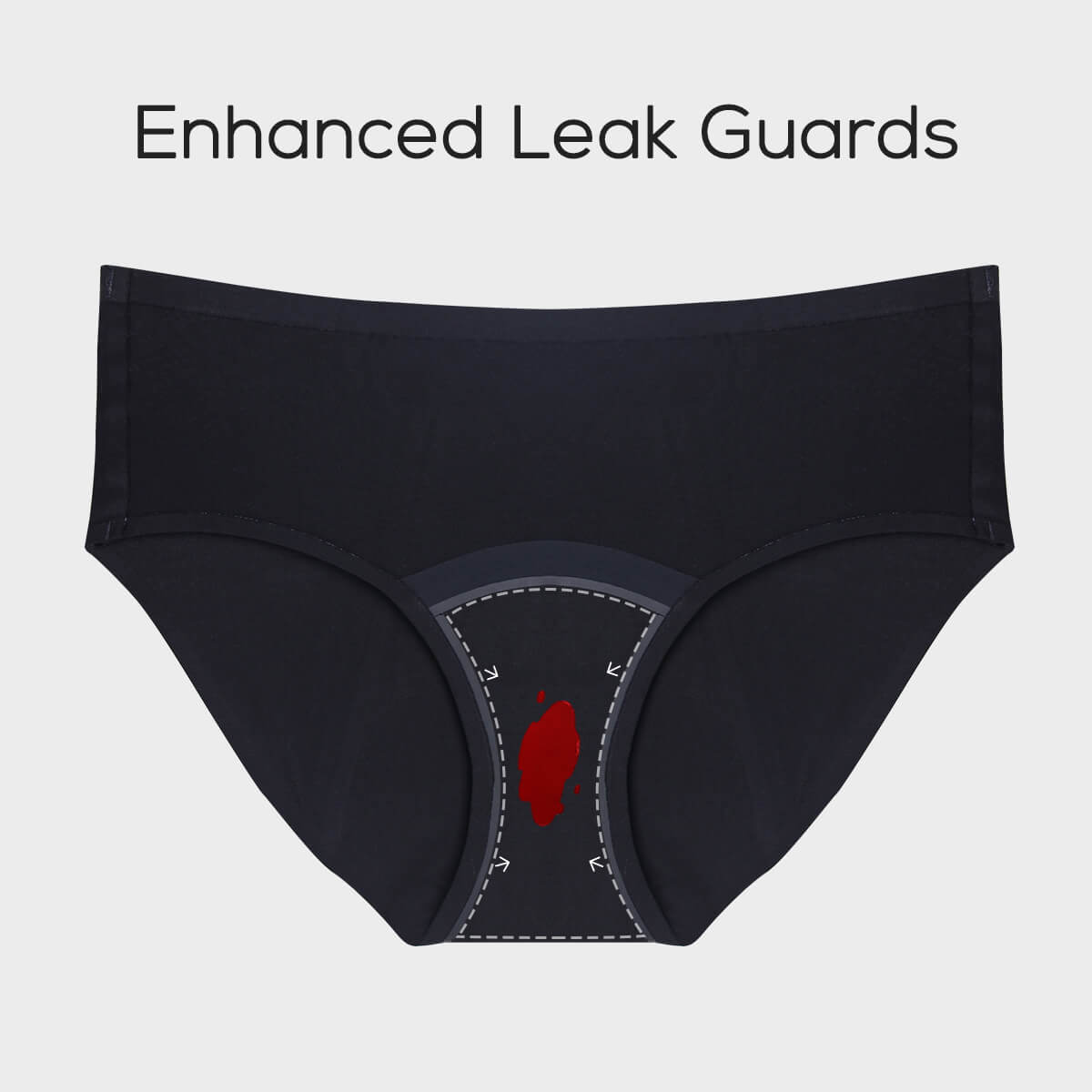
Anti-side leakage construction
-
Certified materials
-
Stable production capacity
-
Customizable styles and fits
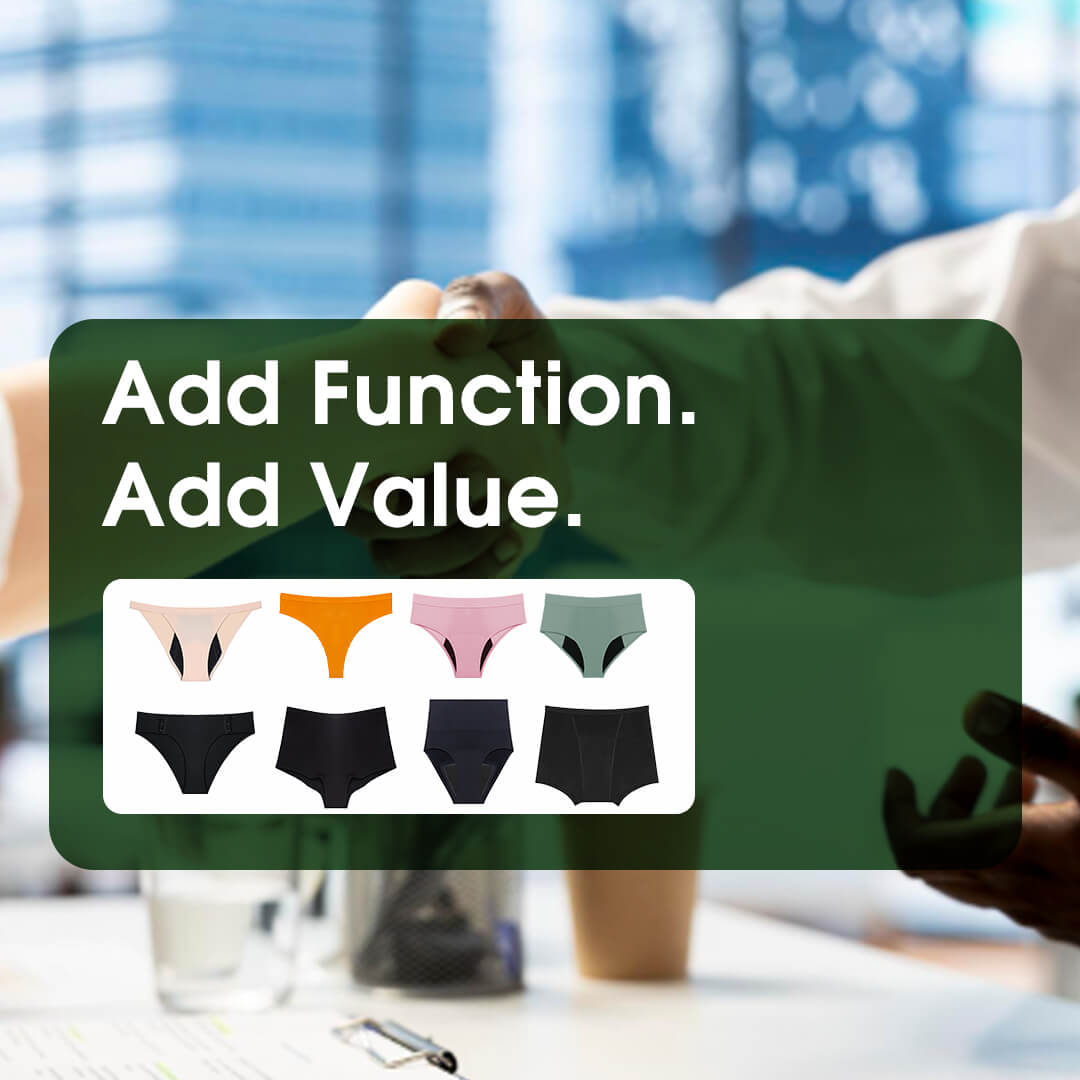
At LYNMISS, we support OEM and ODM clients with scalable production, patented leak-prevention structures, and multi-style development — from thong to boyshort, from period use to high-volume incontinence solutions.
This manufacturing depth allows our partners to move quickly without compromising product credibility.
The Cross-Border Opportunity for Emerging Brands
For cross-border eCommerce sellers, functional underwear offers a rare combination of high demand and long-term differentiation.
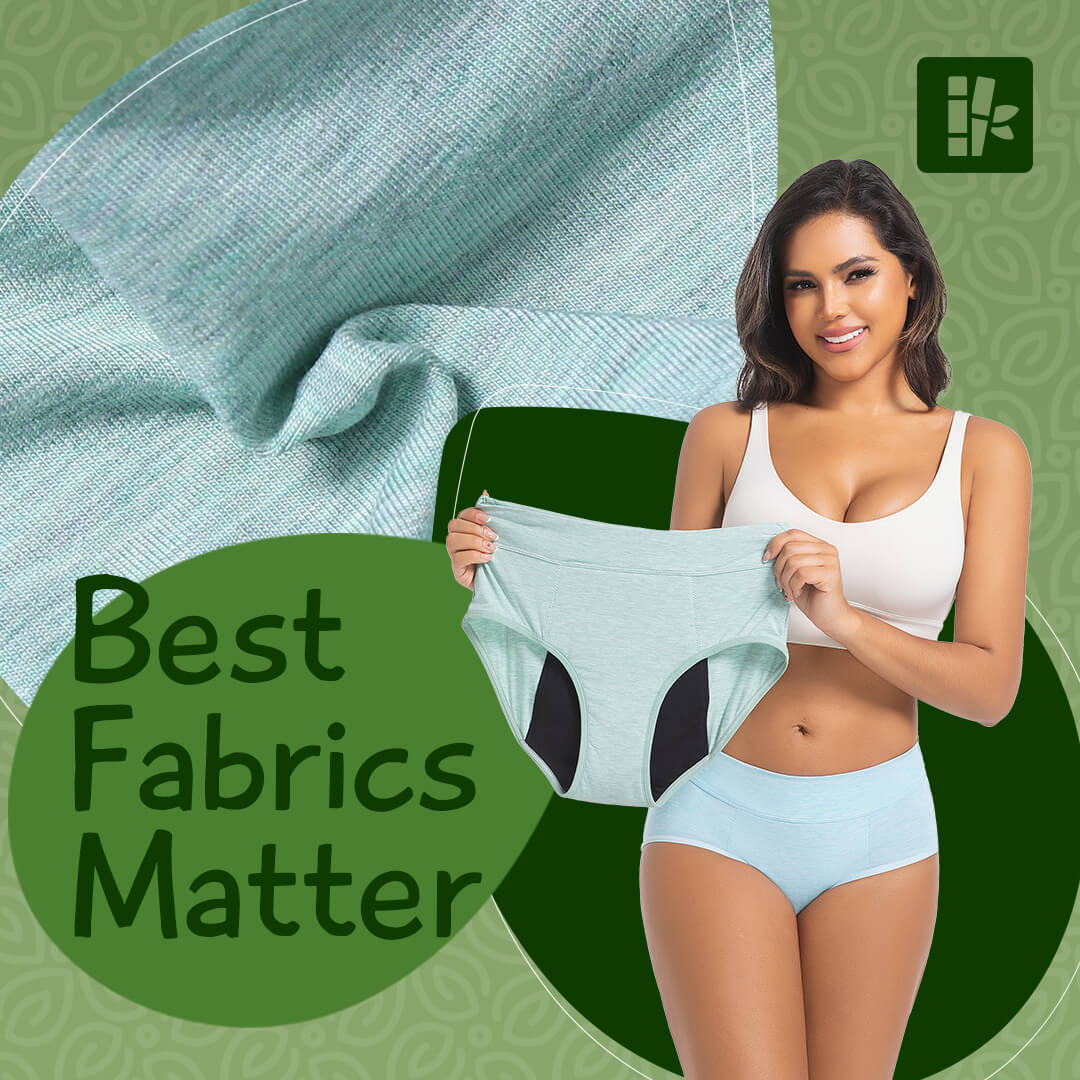
Unlike commodity apparel, functional underwear rewards education-driven marketing. Brands that explain how absorbency works, why gusset design matters, and how fabrics affect comfort consistently outperform those relying on aesthetics alone.
Manufacturing partners matter here. The ability to adjust absorbency zones, thickness, and construction details is what separates scalable brands from short-lived ones.
This is where factory-level collaboration becomes a competitive advantage.
Where the Market Is Headed Next
The next phase of growth will be defined by specialization and performance transparency.
Consumers and buyers alike are moving away from one-size-fits-all solutions. They expect underwear designed specifically for heavy flow, bladder leakage, overnight use, sports, or swimming — each with clear technical explanations.
Factories that invest in R&D, testing, and material science will shape the future of this category. Brands that align with those manufacturers will lead it.
At LYNMISS, our focus remains the same: engineering functional underwear that performs reliably, scales efficiently, and supports long-term brand growth.
recommended to you
-
How to Clean and Maintain Menstrual Underwear During Period
April,13,2023 -
How to ensure that menstrual panties are comfortable and fit in size?
April,15,2023 -
Why are menstrual pants a more eco-friendly choice?
April,27,2023 -
The Benefits of Washable Cloth Pads: A Sustainable Choice for Women
September,18,2023 -
The Ultimate Guide to Choosing the Best Period Panties Manufacturer
October,12,2023
How Can We Help you ?