

 Inquire(
How Is Period Underwear Made? From Fabric to Leakproof Protection?
 Jun 24,2026
 lynmiss
When you wear period underwear, it’s easy to focus on the comfort, protection, and convenience it provides. But have you ever wondered what goes into making a pair of leakproof underwear?
Unlike regular underwear, period underwear is designed with advanced absorbent technology, carefully selected fabrics, and rigorous testing procedures to help women feel confident during menstruation, postpartum recovery, or light bladder leaks.
In this guide, we’ll take you behind the scenes and explore how period underwear is made—from raw materials to the finished product.
What Makes Period Underwear Different from Regular Underwear?
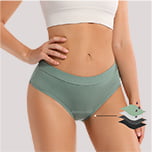
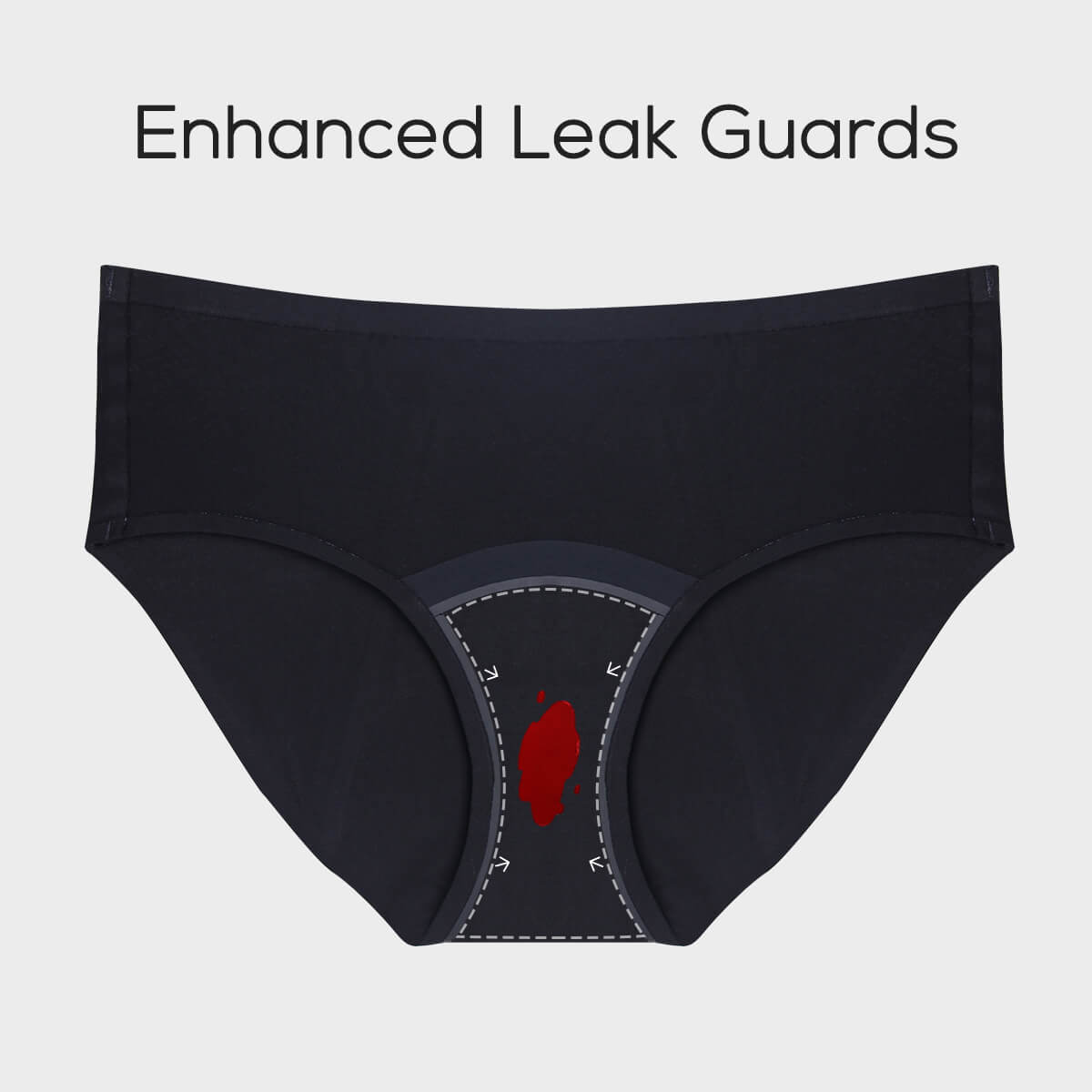
At first glance, period underwear may look just like ordinary underwear. However, the difference lies in its specially engineered gusset area.
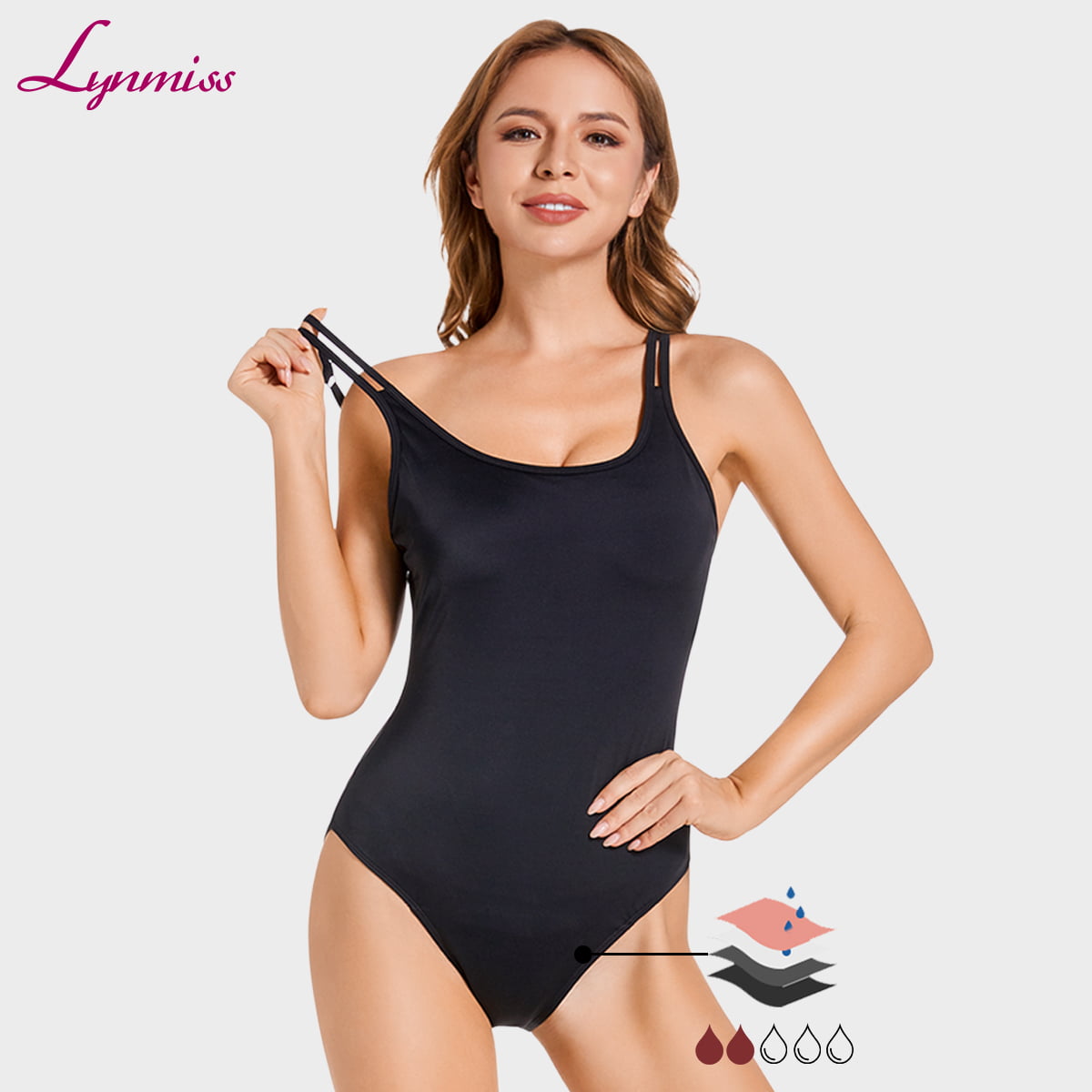
A high-quality pair of period underwear typically combines multiple functional layers that work together to:
-
Absorb menstrual flow
-
Lock moisture away from the skin
-
Prevent leaks
-
Control odor
-
Maintain comfort throughout the day
The effectiveness of period underwear depends heavily on the materials, construction techniques, and quality testing used during manufacturing.
Step 1: Selecting Safe and Comfortable Fabrics
The journey begins with fabric selection.
Because period underwear stays in direct contact with sensitive skin for long periods, manufacturers must carefully choose materials that are both comfortable and safe.
Common fabric options include:
Cotton
Cotton is one of the most popular choices because it is:
-
Soft against the skin
-
Breathable
-
Naturally comfortable
-
Suitable for everyday wear
Many women prefer cotton-based period underwear because it feels familiar and gentle.
Bamboo Fabric
Bamboo-derived fabrics are often used because they offer:
-
Excellent moisture management
-
Soft texture
-
Breathability
-
Natural comfort
Bamboo fabrics are particularly popular among women with sensitive skin.
Nylon and Spandex Blends
These materials help provide:
-
Stretch
-
Shape retention
-
Better fit
-
Durability
Most modern period underwear combines natural fibers with performance fabrics to achieve the ideal balance of comfort and function.
Step 2: Engineering the Absorbent Core
The absorbent layer is the heart of every period underwear design.
Its job is to capture menstrual fluid quickly and distribute it evenly, preventing uncomfortable wetness.
Depending on the product's absorbency level, manufacturers may use:
-
Microfiber absorbent fabrics
-
High-density absorbent textiles
-
Technical moisture-management materials
Some designs can absorb only light spotting, while others are engineered for overnight protection.
The thickness of the absorbent layer must be carefully balanced. Too thin, and protection may be compromised. Too thick, and the underwear may feel bulky.
This is where textile engineering plays a major role.
Step 3: Adding the Leakproof Barrier
Beneath the absorbent core sits a leakproof layer.
This barrier is designed to stop menstrual fluid from passing through to clothing while still allowing airflow.
A quality leakproof layer should be:
-
Flexible
-
Durable
-
Quiet during movement
-
Breathable
-
Reliable after repeated washing
Modern leakproof technology has improved significantly over the past decade, making today's period underwear much more comfortable than earlier generations.
Step 4: Designing for Real Women's Bodies
Protection alone isn't enough.
The best period underwear is also designed to fit comfortably throughout the day.
Product developers consider factors such as:
-
Body shape
-
Movement patterns
-
Different flow levels
-
Age groups
-
Lifestyle needs
For example:
Teen Period Underwear
Teen styles often feature:
-
Softer waistbands
-
Additional coverage
-
Easy-care fabrics
Postpartum Underwear
Postpartum designs may include:
-
Higher waistlines
-
Extended absorbent zones
-
Enhanced comfort features
Incontinence Underwear
Leakproof underwear for bladder leaks typically requires different absorbent capacities and placement compared to menstrual products.
Every design starts with understanding the needs of real women.
Step 5: Cutting and Sewing the Layers Together
Once the materials are selected, the fabrics are cut into precise pattern pieces.
Unlike standard underwear, period underwear requires multiple layers to be assembled accurately.
Manufacturing teams carefully align:
-
Outer fabric
-
Absorbent core
-
Leakproof barrier
-
Inner lining
Even small variations can affect comfort and performance.
Experienced production teams use specialized sewing techniques to ensure:
-
Consistent quality
-
Secure seams
-
Smooth appearance
-
Long-term durability
Step 6: Leakproof and Absorbency Testing
One of the most important stages is testing.
Before reaching consumers, quality period underwear undergoes extensive evaluations to verify performance.
Common tests include:
Absorbency Testing
Manufacturers measure:
-
Total liquid capacity
-
Absorption speed
-
Distribution performance
Leak Resistance Testing
Products are evaluated under simulated usage conditions to ensure reliable protection.
Wash Cycle Testing
Since period underwear is reusable, manufacturers also test how products perform after repeated laundering.
A well-made pair should maintain its absorbency and leakproof performance after many wash cycles.
Some specialized period underwear manufacturer facilities conduct multiple rounds of testing before mass production begins to ensure consistent quality and long-term durability.
Step 7: Safety and Material Verification
For many women, safety is just as important as performance.
Responsible manufacturers pay close attention to:
-
Fabric sourcing
-
Chemical compliance
-
Material certifications
-
Production standards
Consumers increasingly look for products that are:
-
PFAS-free
-
Skin-friendly
-
Tested for harmful substances
-
Manufactured under strict quality controls
These measures help provide peace of mind, especially for products worn close to intimate areas.
Why Quality Manufacturing Matters
Not all period underwear is made to the same standard.
The difference often comes down to:
-
Material quality
-
Engineering expertise
-
Testing procedures
-
Manufacturing experience
Companies with long-term experience in absorbent textile technology typically invest heavily in product development, testing, and quality control systems.
Many of the leakproof underwear products available today are created through partnerships between consumer brands and specialized manufacturers that focus exclusively on absorbent underwear technologies. Some manufacturers, such as Lynmiss Factory, support brands in developing leakproof underwear through dedicated textile engineering, product testing, and large-scale production capabilities.
For consumers, understanding this process helps explain why some period underwear performs more reliably and lasts longer than others.
The Bottom Line
Period underwear may look simple, but the technology behind it is surprisingly sophisticated.
From fabric selection and absorbent engineering to leakproof barriers and quality testing, every step plays a role in creating a product that helps women feel protected and confident.
The next time you put on a pair of period underwear, you'll know that behind its comfortable appearance is a carefully designed system built to support you throughout your day.
And while every brand has its own approach, the best products all share one thing in common: a commitment to comfort, safety, and dependable protection for women.
recommended to you
-
How to Clean and Maintain Menstrual Underwear During Period
April,13,2023 -
How to ensure that menstrual panties are comfortable and fit in size?
April,15,2023 -
Why are menstrual pants a more eco-friendly choice?
April,27,2023 -
The Benefits of Washable Cloth Pads: A Sustainable Choice for Women
September,18,2023 -
The Ultimate Guide to Choosing the Best Period Panties Manufacturer
October,12,2023
How Can We Help you ?