

 Inquire(
Is Your Period Underwear Safe? A Deep Dive into PFAS-Free & OEKO-TEX Certified Fabrics
 May 19,2026
 lynmiss
As reusable menstrual panties become a mainstream staple for menstrual care, a critical question has surfaced among conscious consumers, corporate health advocates, and global buyers: Is your period underwear truly safe? With recent global scrutiny surrounding chemical treatments in textiles, the industry discussion has shifted from basic leak protection to rigorous chemical safety. Specifically, the presence of Per- and polyfluoroalkyl substances (PFAS)—often used by standard garments to add water-resistance to fabrics—has raised significant health concerns. For an item that sits in prolonged, direct contact with the body's most sensitive skin, pure and verified safety isn't optional; it is mandatory.
In this deep dive, we will break down what makes menstrual fabrics genuinely safe, how to verify international safety standards, and the textile engineering required to produce certified non-toxic functional garments.
What is PFAS, and Why is it Found in Functional Underwear?
PFAS are a class of man-made chemicals widely manufactured for their oil-resistant, water-resistant, and stain-resistant properties. In the early development phases of the menstrual underwear industry, some commercial manufacturers relied on PFAS-heavy chemical coatings to reinforce the waterproof barrier of the lower layers.
However, because these chemicals do not break down in the environment or the human body, they are commonly referred to as "forever chemicals." Prolonged dermal exposure to toxic chemical residues in the pelvic area presents documented health risks.
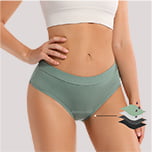
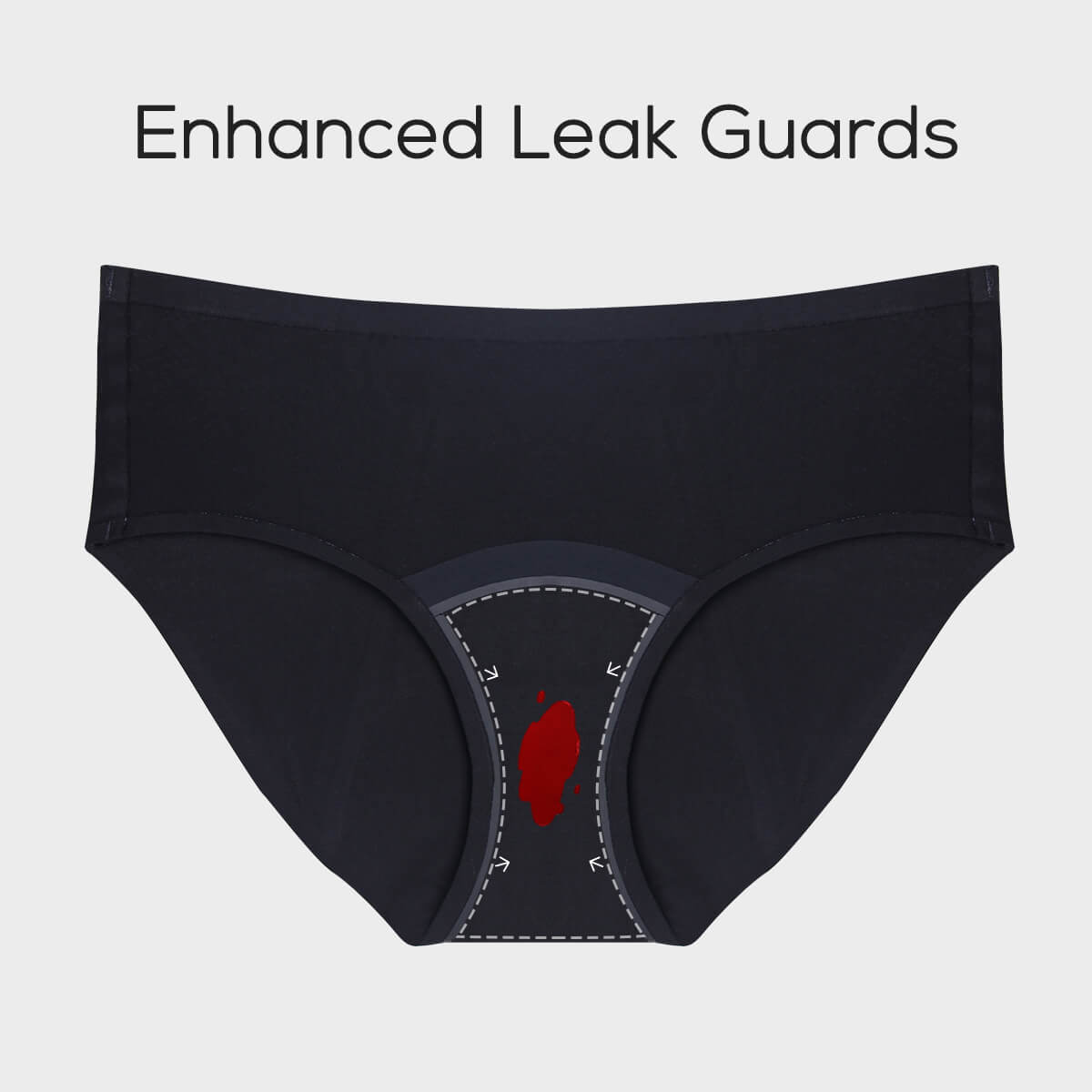
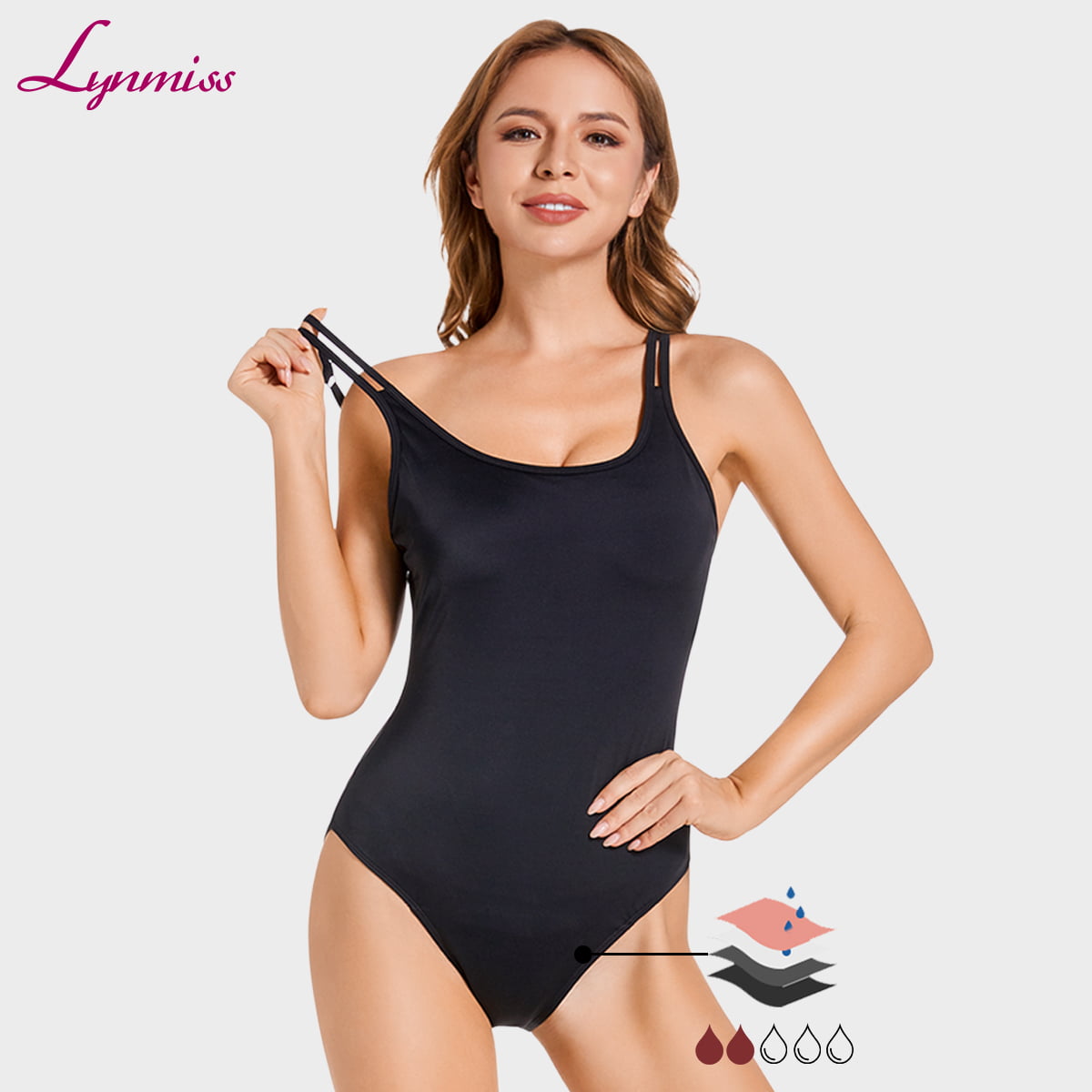
To achieve high-performance absorption without relying on hazardous chemical shortcuts, premium brands must transition to structural fabric engineering. This means using mechanical barriers, such as advanced TPU (Thermoplastic Polyurethane) lamination, bonded directly to organic or bio-based textiles like bamboo viscose and organic cotton.
Decoding International Textile Standards: OEKO-TEX & GRS
When browsing for non-toxic menstrual care, consumer guesswork and B2B sourcing risks are eliminated by relying on strict third-party verifications. The two gold standards in the sustainable textile supply chain are:
-
OEKO-TEX® Standard 100: This independent testing system verifies that every single component of the garment—from the main body fabric to the threads, elastics, and dyes—is completely free from harmful levels of over 100 regulated substances, including PFAS, heavy metals, and formaldehyde.
-
Global Recycled Standard (GRS): This standard tracks and verifies the exact percentage of recycled content in synthetic materials (like recycled nylon or polyester used in sleek outer layers). It also enforces rigorous social and environmental criteria during factory processing.
From Brand to Source: The Clean Supply Chain of Lynmiss Factory
Achieving zero chemical residue requires total, unbroken control over the raw materials, spinning, weaving, and finishing stages. Contamination often occurs when facilities mix functional fabric production with standard, unverified apparel lines.
To ensure the highest safety and regulatory standards, all our retail collections at Lynmiss are fully backed by the state-of-the-art, certified clean production lines of Lynmiss Factory. Operating out of a highly specialized, self-owned facility, the Lynmiss Factory manufacturing team enforces a 100% technical inspection of every fabric roll. By processing and knitting their high-performance, OEKO-TEX® certified fabrics in-house, they guarantee that the multi-layer leakproof lining remains 100% PFAS-free and biologically safe for global markets.
For global B2B brands, private label startups, or institutional wholesalers looking to deploy safe, compliant menstrual lines that pass strict international customs and lab tests, you can explore specialized OEM/ODM options and view certified production data directly at the official sourcing platform: Lynmiss Factory.
How Consumers and Sourcing Managers Can Verify Fabric Safety
If you are currently evaluating your menstrual underwear choices, look for these three pillars of assurance:
-
Check the Label for Class Signatures: Ensure the product meets OEKO-TEX Class 1 (the strictest category, safe enough for babies) or Class 2 (direct-to-skin contact).
-
Ask for the Testing Scope: Legitimate brands and transparent manufacturers will openly declare that their multi-layer tech bonding uses inert TPU membranes rather than chemical spray coatings.
-
Inspect the Material Synergy: Safe panties utilize breathable bio-materials like bamboo or organic cotton on the top layer, leaving synthetic recycled yarns strictly for the structural outer body.
Switching to reusable period panties is one of the best choices you can make for your body and the planet. By insisting on transparent, factory-certified safety, you ensure your menstrual care is purely protective, without compromises.
recommended to you
-
How to Clean and Maintain Menstrual Underwear During Period
April,13,2023 -
How to ensure that menstrual panties are comfortable and fit in size?
April,15,2023 -
Why are menstrual pants a more eco-friendly choice?
April,27,2023 -
The Benefits of Washable Cloth Pads: A Sustainable Choice for Women
September,18,2023 -
The Ultimate Guide to Choosing the Best Period Panties Manufacturer
October,12,2023
How Can We Help you ?